Home News Checklist Building & Landscaping Safety Recreation Contact Us

Building & Landscaping

Zoning Regulations | Septic Systems | Landscaping Guidelines | Waterfront 

  
© 2007 Google satellite image of Lake Waramaug
Lake Waramaug is a fragile resource, whose water and environmental quality need to be safeguarded by every homeowner in its watershed and by every recreational user. Thirty years ago the Lake was in a precarious state. Ultimately, steps were taken that made its rejuvenation a Connecticut environmental success story. We encourage homeowners to commit to prudent building and landscaping practices by following specific regulations enacted to protect the lake. For the protection and preservation of Lake Waramaug, check with the land use officials and wetlands enforcement officials in your town and secure necessary permits before commencing any work.
ZONING REGULATIONS

The Lake Waramaug area has specific zoning requirements over and above town restrictions in order to protect the Lake and its watershed from excessive runoff and pollutants, and to maintain the character of the area. Permits are required from the town of residence for almost all structures (both new and alterations). A special permit is required for work within 50 and 75 feet of the Lake, which is within the setback limit. Work (both structures and landscaping) within 100 feet of the lake shore or of upland streams, watercourses, ponds and wetlands is also regulated by the Inland Wetlands Commissions of the three towns.

Washington and Warren have enacted requirements concerning the size, number, location and construction of docks and floats and, in order to preserve views of the Lake, the height of fences and visual barriers on the Lake side of the lake roads. Check with land use and inland wetland officials before building a new dock or fence, or altering or repairing an existing facility.

For information about zoning regulations regarding setbacks, proportion of impervious surfaces, structures, docks, fences, clearing and wetlands restrictions, consult your Town's office:

SEPTIC SYSTEMS

Septic system maintenance is important to the health of the Lake. Your septic tank requires periodic pumping in order to operate efficiently and to prevent leaching into the lake, wells or watercourses near your property. Such maintenance should take place at least every 3 years and more frequently if there is heavy usage or your property is close to the water.

For more information, please download this pdf of the EPA's Homeowner's Guide to Septic Systems.

LANDSCAPING GUIDELINES

  
Buffer Planting
Protective buffer strip planting of natural vegetation between lawn or hardscape and the Lake is recommended. A buffer catches and absorbs storm water runoff, filtering contaminants and inhibiting soil erosion. The Lake Waramaug Task Force (with the support of this Association, the Washington Environmental Council and Washington Garden Club) has sponsored a model planting at the Lecher Property at 47 West Shore Road consisting of native trees, shrubs, flowering plants and grasses. Please download this list of plants for use in your yard.

"The Shore Primer - a Cottager's Guide to a Healthy Waterfront," provides a good description of the aging process of a lake and steps a homeowner can take to support their lake including buffer plantings, tree clearing and lessening lawn impact.

Lawns
For any lawn, avoid the use of chemical weedkillers and fertilizers, in particular any with phosphorus. Prevent grass clippings and leaves from falling into the Lake. If possible, let the grass grow at least 2 -3 incheslong between trimmings to conserve soil moisture. The Task Force has more information on recommended practices and recommended fertilizers.

Invasive Plants
The State of Connecticut has prohibited the importation, transportation, sale, purchase, possession, cultivation or distribution of a number of invasive plants including the following aquatic plants:

  
Aprox. 6" long piece of curly pondweed
Curlyleaf Pondweed

Curlyleaf Pondweed, an invasive plant, has been discovered in several areas of the lake. The Lake Waramaug Task Force is working with Aquatic Control Technology, Inc. of Sutton, Massachusetts to explore alternative approaches to eliminating it. They are likely to initiate a three-year program starting next spring.

The Association is supporting the Task Force as they seek funding for this undertaking. See their latest report to learn more and visit their website to learn how you can support this effort.

This incursion is a reminder of the risk to our Lake from a small indiscretion. Write your representatives to advocate for a state invasive plant policy and to secure funding to support and enforce it.

For more information on invasive plants -- with photographs -- visit these websites:
Connecticut Invasive Plant Working Group
Invasive Plant Atlas of New England
Alternatives for Invasive Ornamental Plant Species, a helpful guide from UConn

Trees

Clear cutting of trees in the Lake area is environmentally unsound and not allowed at all within 100 feet of a watercourse. Clear cutting allows storm water run-off onto adjoining properties and ultimately into the lake, causing substantial erosion and permanent harm to the Lake. Controlled thinning and judicious pruning can provide enhanced views. All such activities require a prior application to Land Use and Inland Wetlands officials, necessary approvals and compliance with any conditions imposed on the area.

WATERFRONT

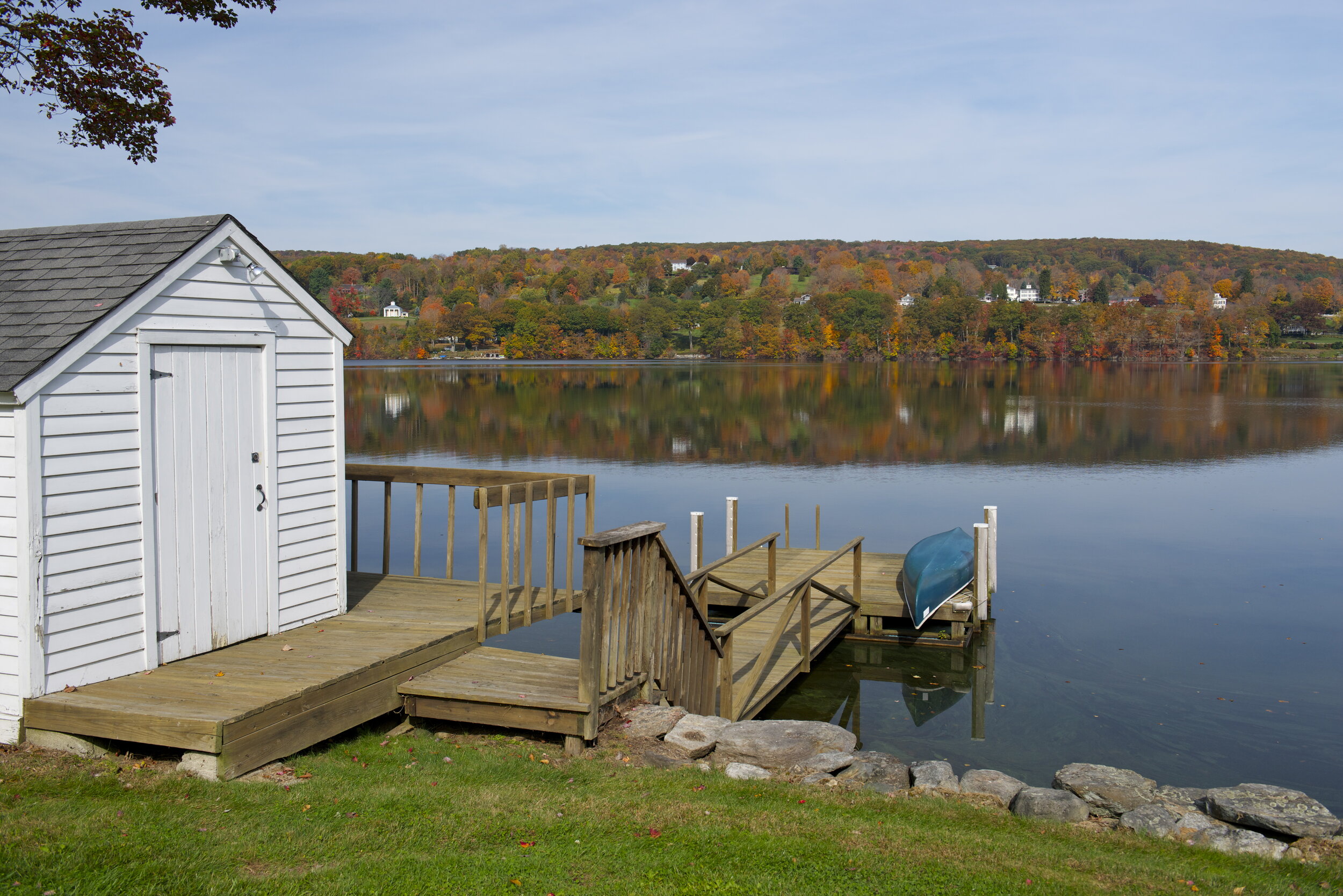
Docks are subject to regulation and zoning. Check with your town's zoning office for specific requirements. The Association is supporting the photographing of docks to document existing condition when alterations or replacements are sought. All docks should be clearly identified with the street address marked on the side facing the Lake to assist emergency personnel and finders of such items if they drift.

"The Dock Primer - A Cottager's guide to Waterfront-Friendly Docks" is a helpful source of information on docks.

Buoys and Markers: Owners of shoreline properties have been placing mooring buoys, markers and other objects, creating a hazard to boaters and rowers and an interference with navigation. The following is requested by the Lake Authority and local state troopers:


Home |  News |  Checklist |  Building & Landscaping |  Safety |  Recreation |  Contact Us
Copyright © 2006-2008 Lake Waramaug Association. All rights reserved.